

Como avaliar a estação de carregamento antes de comprar transpaletizador elétrico

2026-09-14

Comprar um transpaletizador elétrico é um investimento importante para a eficiência do seu armazém. No entanto, muitos gestores esquecem um detalhe crítico: a estação de carregamento. Uma avaliação malfeita pode resultar em paradas não programadas, danos à bateria e até riscos de segurança. Este tutorial passo a passo mostra como avaliar corretamente a estação de carregamento antes de comprar o seu transpaletizador elétrico.
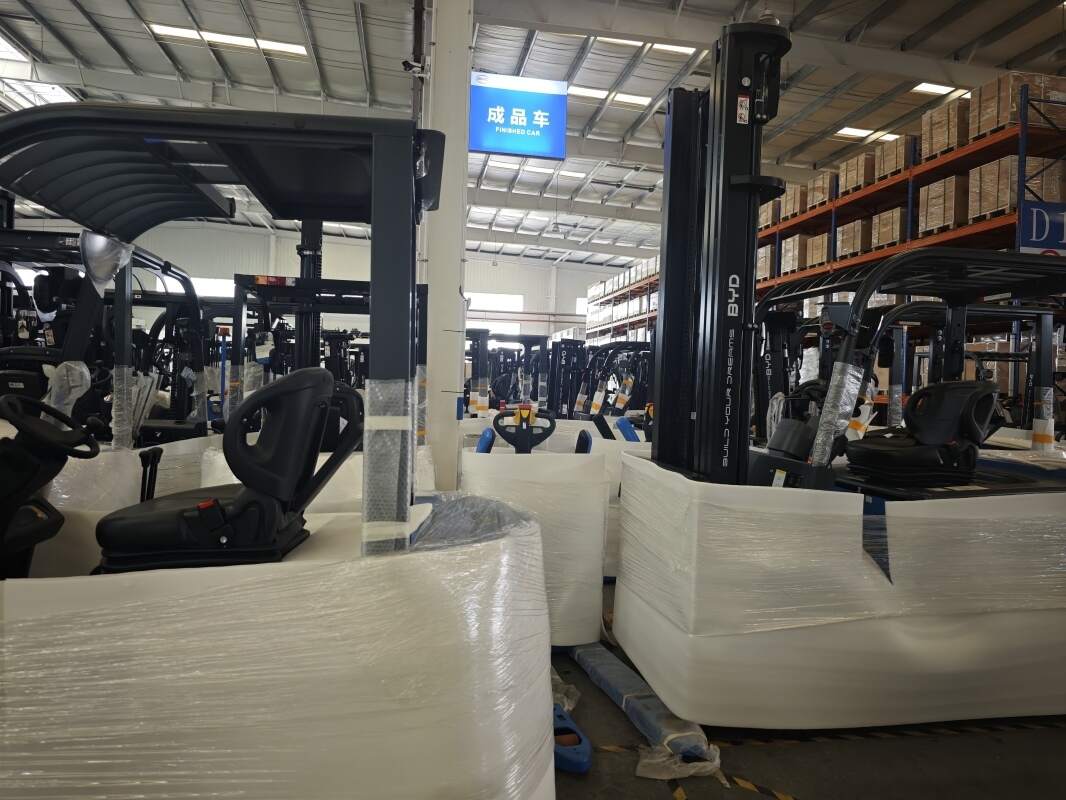
Como avaliar a estação de carregamento antes de comprar transpaletizador elétrico(Figura1)

1. Identifique a voltagem e o tipo de bateria do transpaletizador elétrico

O primeiro passo é entender as especificações da bateria do transpaletizador. Modelos elétricos geralmente usam baterias de chumbo-ácido ou lítio (LiFePO4, por exemplo). A voltagem comum varia entre 24V e 48V, mas há equipamentos de 80V. Verifique a etiqueta do equipamento ou consulte o fabricante.

  • Dica: Baterias de lítio aceitam recarga parcial e não exigem equalização, o que simplifica a estação.
  • Atenção: Nunca use um carregador de chumbo-ácido em bateria de lítio, e vice-versa. Isso pode causar incêndio ou destruir a bateria.
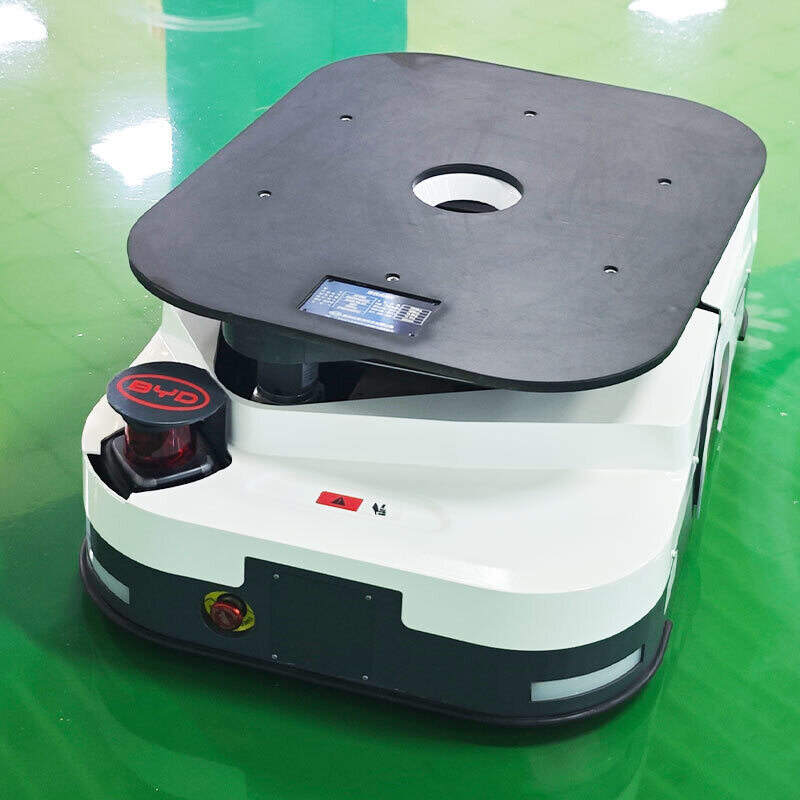
Como avaliar a estação de carregamento antes de comprar transpaletizador elétrico(Figura2)

2. Verifique a capacidade de saída do carregador (corrente e tensão)

O carregador deve corresponder exatamente à voltagem da bateria e fornecer corrente adequada. Carregadores muito potentes podem superaquecer a bateria; muito fracos aumentam o tempo de recarga. Consulte a curva de carga recomendada pelo fabricante.

Tipo de bateriaVoltagem típicaCorrente de carga recomendada
Chumbo-ácido24V / 48V10-15% da capacidade em Ah
Lítio (LiFePO4)24V / 48V / 80V0,5C a 1C (ex.: 100Ah → 50-100A)

Dica: Prefira carregadores com comunicação (CAN bus) para monitorar a carga em tempo real.
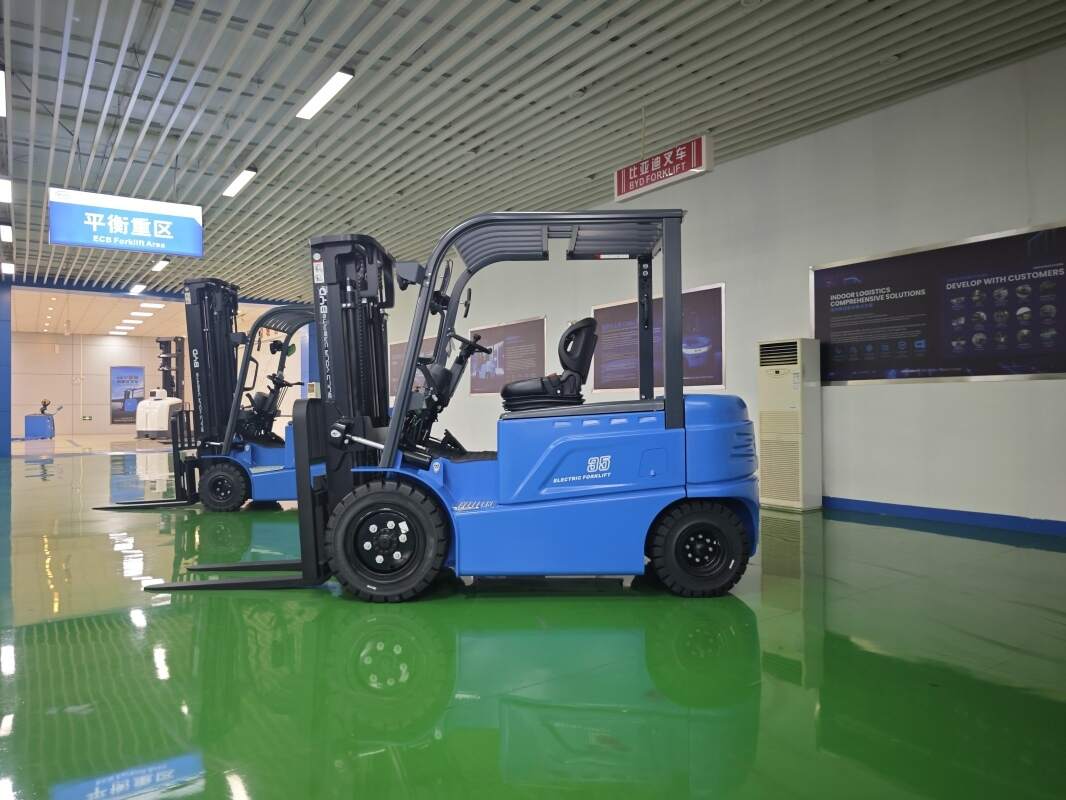
Como avaliar a estação de carregamento antes de comprar transpaletizador elétrico(Figura3)

3. Analise a infraestrutura elétrica do seu armazém

A estação de carregamento exige tomadas, disjuntores e fiação adequados. Meça a distância até o quadro de distribuição e verifique a capacidade disponível. Uma estação para transpaletizador de 24V/30A pode exigir um circuito dedicado de 220V.

  • Dica: Contrate um eletricista para calcular a bitola dos cabos e o disjuntor correto.
  • Atenção: Sobrecarregar o quadro elétrico pode causar quedas de energia e até incêndio. Nunca use extensões improvisadas.

4. Calcule o tempo de recarga e a autonomia necessária para a operação

Determine quantas horas o transpaletizador opera por turno e quanto tempo leva para recarregar. Baterias de lítio geralmente recarregam em 1-2 horas (80%), enquanto chumbo-ácido leva 8 horas ou mais. Se a operação é contínua, considere baterias de troca rápida ou carregamento oportunista.

Dica: Faça uma planilha com a demanda diária de energia (kWh) e a potência do carregador para evitar gargalos.

5. Avalie o espaço físico, ventilação e temperatura da estação

O local deve ser ventilado, seco e longe de materiais inflamáveis. Baterias de chumbo-ácido liberam hidrogênio durante a recarga, exigindo ventilação forçada. Baterias de lítio são mais seguras, mas ainda precisam de ambiente climatizado (15°C a 30°C).

  • Dica: Reserve uma área demarcada com sinalização e extintor de incêndio classe D.
  • Atenção: Não instale a estação em locais com tráfego intenso de empilhadeiras ou próximo a fontes de calor.

6. Confira conectores, cabos e protocolos de comunicação

Conectores devem ser compatíveis com o plugue do transpaletizador. Verifique se o carregador possui proteção contra inversão de polaridade e cabos com bitola suficiente para evitar aquecimento. Se o equipamento usa telemetria, confirme o protocolo (RS485, CAN, etc.).

Atenção: Conectores danificados ou soltos podem causar arcos elétricos e queimar os terminais da bateria.

7. Priorize a segurança elétrica e os dispositivos de proteção

Uma estação segura inclui aterramento, disjuntor diferencial residual (DR), proteção contra sobrecarga e sobretemperatura. Para baterias de lítio, o carregador deve ter BMS (Battery Management System) integrado ou compatível.

  • Dica: Instale um botão de emergência que corte a energia do carregador.
  • Atenção: Nunca carregue baterias com sinais de inchaço, vazamento ou superaquecimento. Isole o equipamento imediatamente.

8. Compare o custo total de propriedade (energia, manutenção e vida útil)

O custo da estação vai além do carregador: inclui energia elétrica, manutenção, substituição de baterias e eventuais adaptações elétricas. Baterias de lítio têm custo inicial maior, mas vida útil 3-5 vezes superior e maior eficiência energética.

ItemChumbo-ácidoLítio (BYD)
Eficiência de carga70-80%95-98%
Vida útil (ciclos)1.5004.000+
Tempo de recarga8-10h1-2h

9. Faça um teste prático antes de fechar o negócio

Solicite ao fornecedor um teste de carga real: conecte o transpaletizador à estação e monitore a curva de recarga, temperatura e tempo. Verifique se o carregador aquece demais e se a bateria atinge 100% sem erros.

Dica: Peça laudo de compatibilidade elétrica e manual em português.

Atenção: Testes sem supervisão técnica podem invalidar a garantia. Siga as orientações do fabricante.

10. Documente, treine a equipe e planeje a expansão

Após a instalação, registre todas as especificações, crie um checklist de recarga e treine os operadores. Considere a possibilidade de adicionar mais transpaletizadores no futuro e dimensione a estação com folga.

  • Dica: Mantenha um log de recargas e ocorrências para identificar padrões.
  • Atenção: Nunca permita que operadores sem treinamento manuseiem a estação de carregamento.

Conclusão

Avaliar a estação de carregamento antes de comprar um transpaletizador elétrico evita prejuízos, aumenta a produtividade e garante segurança. Siga estes 10 passos e conte com fornecedores experientes. Para mais informações sobre transpaletizadores elétricos e estações de carregamento com bateria de lítio, entre em contato: info@bydfork.com.

We use cookie to improve your online experience. By continuing to browse this website, you agree to our use of cookie.

Cookies

Please read our Terms and Conditions and this Policy before accessing or using our Services. If you cannot agree with this Policy or the Terms and Conditions, please do not access or use our Services. If you are located in a jurisdiction outside the European Economic Area, by using our Services, you accept the Terms and Conditions and accept our privacy practices described in this Policy.
We may modify this Policy at any time, without prior notice, and changes may apply to any Personal Information we already hold about you, as well as any new Personal Information collected after the Policy is modified. If we make changes, we will notify you by revising the date at the top of this Policy. We will provide you with advanced notice if we make any material changes to how we collect, use or disclose your Personal Information that impact your rights under this Policy. If you are located in a jurisdiction other than the European Economic Area, the United Kingdom or Switzerland (collectively “European Countries”), your continued access or use of our Services after receiving the notice of changes, constitutes your acknowledgement that you accept the updated Policy. In addition, we may provide you with real time disclosures or additional information about the Personal Information handling practices of specific parts of our Services. Such notices may supplement this Policy or provide you with additional choices about how we process your Personal Information.


Cookies

Cookies are small text files stored on your device when you access most Websites on the internet or open certain emails. Among other things, Cookies allow a Website to recognize your device and remember if you've been to the Website before. Examples of information collected by Cookies include your browser type and the address of the Website from which you arrived at our Website as well as IP address and clickstream behavior (that is the pages you view and the links you click).We use the term cookie to refer to Cookies and technologies that perform a similar function to Cookies (e.g., tags, pixels, web beacons, etc.). Cookies can be read by the originating Website on each subsequent visit and by any other Website that recognizes the cookie. The Website uses Cookies in order to make the Website easier to use, to support a better user experience, including the provision of information and functionality to you, as well as to provide us with information about how the Website is used so that we can make sure it is as up to date, relevant, and error free as we can. Cookies on the Website We use Cookies to personalize your experience when you visit the Site, uniquely identify your computer for security purposes, and enable us and our third-party service providers to serve ads on our behalf across the internet.

We classify Cookies in the following categories:
 ●  Strictly Necessary Cookies
 ●  Performance Cookies
 ●  Functional Cookies
 ●  Targeting Cookies


Cookie List
A cookie is a small piece of data (text file) that a website – when visited by a user – asks your browser to store on your device in order to remember information about you, such as your language preference or login information. Those cookies are set by us and called first-party cookies. We also use third-party cookies – which are cookies from a domain different than the domain of the website you are visiting – for our advertising and marketing efforts. More specifically, we use cookies and other tracking technologies for the following purposes:

Strictly Necessary Cookies
These cookies are necessary for the website to function and cannot be switched off in our systems. They are usually only set in response to actions made by you which amount to a request for services, such as setting your privacy preferences, logging in or filling in forms. You can set your browser to block or alert you about these cookies, but some parts of the site will not then work. These cookies do not store any personally identifiable information.

Functional Cookies
These cookies enable the website to provide enhanced functionality and personalisation. They may be set by us or by third party providers whose services we have added to our pages. If you do not allow these cookies then some or all of these services may not function properly.

Performance Cookies
These cookies allow us to count visits and traffic sources so we can measure and improve the performance of our site. They help us to know which pages are the most and least popular and see how visitors move around the site. All information these cookies collect is aggregated and therefore anonymous. If you do not allow these cookies we will not know when you have visited our site, and will not be able to monitor its performance.

Targeting Cookies
These cookies may be set through our site by our advertising partners. They may be used by those companies to build a profile of your interests and show you relevant adverts on other sites. They do not store directly personal information, but are based on uniquely identifying your browser and internet device. If you do not allow these cookies, you will experience less targeted advertising.

How To Turn Off Cookies
You can choose to restrict or block Cookies through your browser settings at any time. Please note that certain Cookies may be set as soon as you visit the Website, but you can remove them using your browser settings. However, please be aware that restricting or blocking Cookies set on the Website may impact the functionality or performance of the Website or prevent you from using certain services provided through the Website. It will also affect our ability to update the Website to cater for user preferences and improve performance. Cookies within Mobile Applications

We only use Strictly Necessary Cookies on our mobile applications. These Cookies are critical to the functionality of our applications, so if you block or delete these Cookies you may not be able to use the application. These Cookies are not shared with any other application on your mobile device. We never use the Cookies from the mobile application to store personal information about you.

If you have questions or concerns regarding any information in this Privacy Policy, please contact us by email at . You can also contact us via our customer service at our Site.