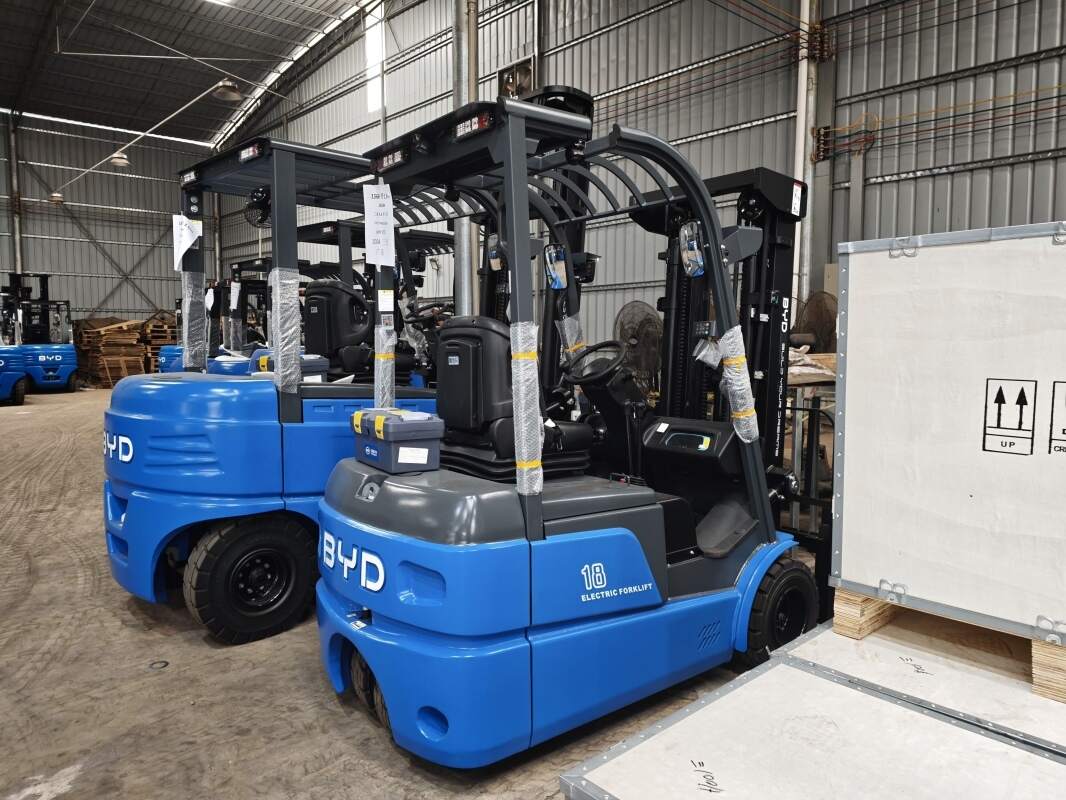
10 dicas de segurança para operar transpaletizador elétrico

2026-09-01

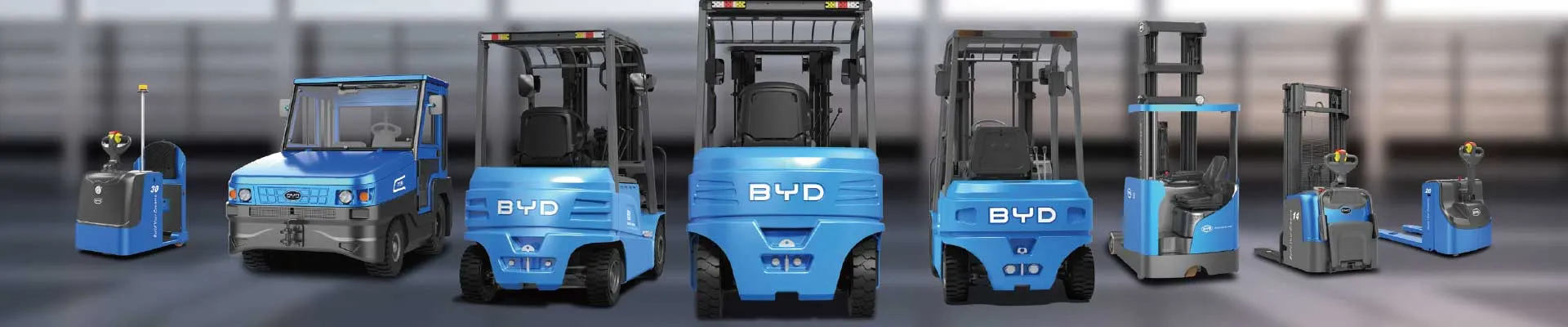
O transpaletizador elétrico é um dos equipamentos mais versáteis e indispensáveis na logística e armazenagem. Com a crescente adoção de baterias de lítio, como as da BYD, a operação se torna mais eficiente e sustentável. No entanto, a segurança deve ser prioridade absoluta. Este guia apresenta 10 dicas essenciais para operar transpaletizadores elétricos com segurança, reduzindo riscos de acidentes e aumentando a produtividade.
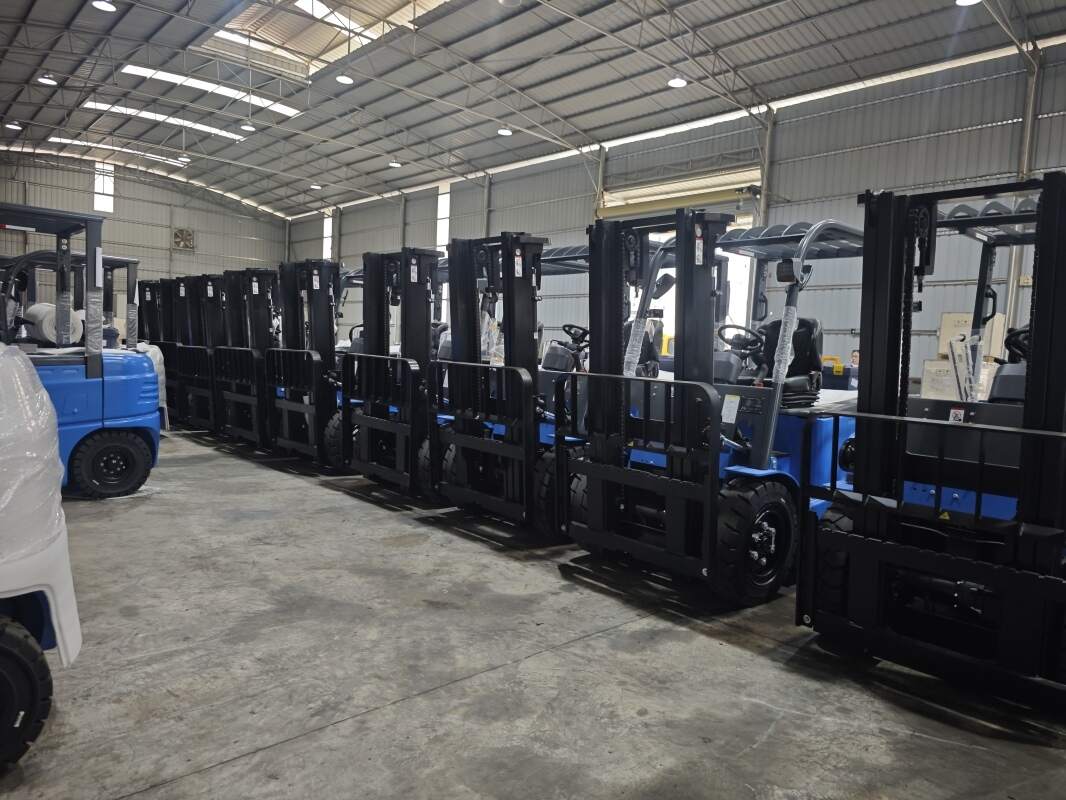
10 dicas de segurança para operar transpaletizador elétrico(Figura1)

1. Treinamento e Certificação do Operador

Operar um transpaletizador elétrico exige conhecimento técnico e prático. Somente operadores treinados e certificados devem utilizar o equipamento. O treinamento deve incluir teoria sobre os componentes, funcionamento do transpaletizador, regras de segurança e prática supervisionada. A certificação deve ser renovada periodicamente e registrada pela empresa. Lembre-se: um operador bem treinado é um operador seguro.
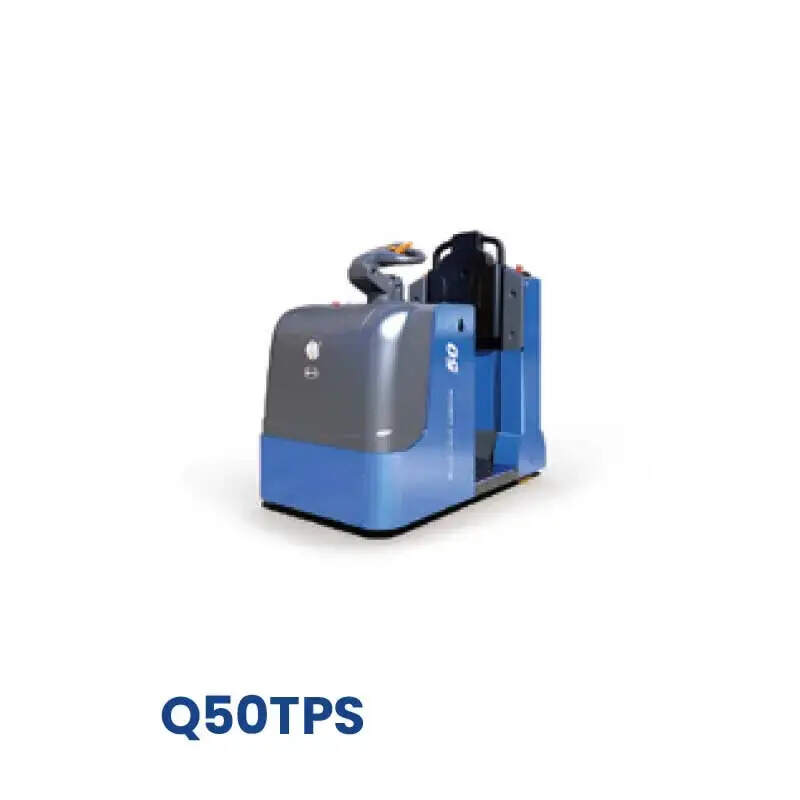
10 dicas de segurança para operar transpaletizador elétrico(Figura2)

2. Inspeção Pré-Operação

Antes de iniciar qualquer tarefa, realize uma inspeção completa no transpaletizador elétrico. Verifique freios, buzina, direção, pneus, garfos, sistema hidráulico e a bateria. Qualquer anomalia deve ser reportada imediatamente ao supervisor e o equipamento deve ser retirado de operação até ser reparado. Utilize um checklist padrão para não esquecer nenhum item.

Item de inspeçãoVerificação
FreiosAcionamento e resposta
BuzinaFuncionamento
GarfosTrincas, deformações e desgaste
PneusDesgaste e pressão
BateriaNível de carga e conexões
Sistema hidráulicoVazamentos e ruídos

10 dicas de segurança para operar transpaletizador elétrico(Figura3)

3. Carregamento e Descarregamento Seguro

Ao levantar uma carga, posicione os garfos totalmente sob o palete e centralize a carga. Certifique-se de que a carga está estável e devidamente arrumada. Evite cargas instáveis ou com peso desigual. Ao transportar, mantenha a carga baixa, a cerca de 15 cm do chão, para melhor estabilidade e visibilidade. Nunca transporte pessoas ou cargas acima da capacidade do equipamento.

4. Manutenção Preventiva e Bateria

A manutenção preventiva é fundamental para a segurança e longevidade do equipamento. No caso dos transpaletizadores elétricos BYD, a bateria de lítio oferece vantagens como maior durabilidade e carregamento rápido. Siga as recomendações do fabricante para o carregamento e armazenamento da bateria. Nunca deixe a bateria descarregar completamente e evite carregar em locais inadequados. A manutenção deve ser feita apenas por técnicos qualificados.

5. Equipamentos de Proteção Individual (EPI)

O operador deve utilizar os EPIs obrigatórios, como capacete, calçado de segurança com biqueira reforçada, luvas e colete refletivo, conforme a política da empresa. Roupas largas ou adornos podem ficar presos no equipamento, causando acidentes. Mantenha os EPIs em bom estado e substitua quando necessário.

6. Direção e Manobra com Segurança

Dirija em velocidade moderada, especialmente em áreas movimentadas. Reduza a velocidade em curvas, cruzamentos e portas. Utilize a buzina para sinalizar sua presença, principalmente em pontos cegos. Mantenha sempre uma distância segura de outros equipamentos e pedestres. Ao manobrar, verifique a área ao redor e utilize os espelhos convexos disponíveis.

7. Condições do Piso e Ambiente

O piso do armazém deve estar limpo, seco e livre de obstáculos, como caixas, paletes soltos e líquidos derramados. O transpaletizador elétrico não deve operar em superfícies irregulares ou com buracos. Iluminação adequada também é essencial. Caso identifique alguma condição insegura, sinalize a área e informe a supervisão.

8. Operação em Rampas e Inclinações

Ao subir ou descer rampas, o operador deve sempre transportar a carga no lado mais alto (na subida, a carga deve estar à frente; na descida, a carga deve estar atrás). Nunca faça curvas ou troque de direção em rampas. Mantenha a velocidade baixa e evite paradas bruscas. Em rampas com inclinação superior a 10%, é recomendado o uso de equipamentos específicos.

9. Estacionamento e Desligamento

Ao finalizar a operação, estacione o transpaletizador em local designado, com os garfos baixos e encostados no chão. Acione o freio de estacionamento, desligue o equipamento e remova a chave. Ao carregar a bateria, siga as instruções do fabricante e mantenha a área de carregamento limpa e ventilada.

10. Conscientização sobre Cargas e Limites

Respeite sempre a capacidade nominal do transpaletizador, indicada na plaqueta do equipamento. Cargas excessivas ou mal distribuídas podem causar tombamento e acidentes graves. Distribua o peso uniformemente e garanta que os paletes estejam em boas condições. Nunca exceda os limites de velocidade e de carga definidos pelo fabricante.

Incorporar essas 10 dicas de segurança na rotina de trabalho é essencial para criar um ambiente seguro e eficiente. Os transpaletizadores elétricos BYD, com tecnologia de lítio, são ferramentas modernas que, aliadas a operadores conscientes e treinados, proporcionam máxima produtividade. Invista na segurança, pois ela é o pilar de qualquer operação logística de sucesso.

We use cookie to improve your online experience. By continuing to browse this website, you agree to our use of cookie.

Cookies

Please read our Terms and Conditions and this Policy before accessing or using our Services. If you cannot agree with this Policy or the Terms and Conditions, please do not access or use our Services. If you are located in a jurisdiction outside the European Economic Area, by using our Services, you accept the Terms and Conditions and accept our privacy practices described in this Policy.
We may modify this Policy at any time, without prior notice, and changes may apply to any Personal Information we already hold about you, as well as any new Personal Information collected after the Policy is modified. If we make changes, we will notify you by revising the date at the top of this Policy. We will provide you with advanced notice if we make any material changes to how we collect, use or disclose your Personal Information that impact your rights under this Policy. If you are located in a jurisdiction other than the European Economic Area, the United Kingdom or Switzerland (collectively “European Countries”), your continued access or use of our Services after receiving the notice of changes, constitutes your acknowledgement that you accept the updated Policy. In addition, we may provide you with real time disclosures or additional information about the Personal Information handling practices of specific parts of our Services. Such notices may supplement this Policy or provide you with additional choices about how we process your Personal Information.


Cookies

Cookies are small text files stored on your device when you access most Websites on the internet or open certain emails. Among other things, Cookies allow a Website to recognize your device and remember if you've been to the Website before. Examples of information collected by Cookies include your browser type and the address of the Website from which you arrived at our Website as well as IP address and clickstream behavior (that is the pages you view and the links you click).We use the term cookie to refer to Cookies and technologies that perform a similar function to Cookies (e.g., tags, pixels, web beacons, etc.). Cookies can be read by the originating Website on each subsequent visit and by any other Website that recognizes the cookie. The Website uses Cookies in order to make the Website easier to use, to support a better user experience, including the provision of information and functionality to you, as well as to provide us with information about how the Website is used so that we can make sure it is as up to date, relevant, and error free as we can. Cookies on the Website We use Cookies to personalize your experience when you visit the Site, uniquely identify your computer for security purposes, and enable us and our third-party service providers to serve ads on our behalf across the internet.

We classify Cookies in the following categories:
 ●  Strictly Necessary Cookies
 ●  Performance Cookies
 ●  Functional Cookies
 ●  Targeting Cookies


Cookie List
A cookie is a small piece of data (text file) that a website – when visited by a user – asks your browser to store on your device in order to remember information about you, such as your language preference or login information. Those cookies are set by us and called first-party cookies. We also use third-party cookies – which are cookies from a domain different than the domain of the website you are visiting – for our advertising and marketing efforts. More specifically, we use cookies and other tracking technologies for the following purposes:

Strictly Necessary Cookies
These cookies are necessary for the website to function and cannot be switched off in our systems. They are usually only set in response to actions made by you which amount to a request for services, such as setting your privacy preferences, logging in or filling in forms. You can set your browser to block or alert you about these cookies, but some parts of the site will not then work. These cookies do not store any personally identifiable information.

Functional Cookies
These cookies enable the website to provide enhanced functionality and personalisation. They may be set by us or by third party providers whose services we have added to our pages. If you do not allow these cookies then some or all of these services may not function properly.

Performance Cookies
These cookies allow us to count visits and traffic sources so we can measure and improve the performance of our site. They help us to know which pages are the most and least popular and see how visitors move around the site. All information these cookies collect is aggregated and therefore anonymous. If you do not allow these cookies we will not know when you have visited our site, and will not be able to monitor its performance.

Targeting Cookies
These cookies may be set through our site by our advertising partners. They may be used by those companies to build a profile of your interests and show you relevant adverts on other sites. They do not store directly personal information, but are based on uniquely identifying your browser and internet device. If you do not allow these cookies, you will experience less targeted advertising.

How To Turn Off Cookies
You can choose to restrict or block Cookies through your browser settings at any time. Please note that certain Cookies may be set as soon as you visit the Website, but you can remove them using your browser settings. However, please be aware that restricting or blocking Cookies set on the Website may impact the functionality or performance of the Website or prevent you from using certain services provided through the Website. It will also affect our ability to update the Website to cater for user preferences and improve performance. Cookies within Mobile Applications

We only use Strictly Necessary Cookies on our mobile applications. These Cookies are critical to the functionality of our applications, so if you block or delete these Cookies you may not be able to use the application. These Cookies are not shared with any other application on your mobile device. We never use the Cookies from the mobile application to store personal information about you.

If you have questions or concerns regarding any information in this Privacy Policy, please contact us by email at . You can also contact us via our customer service at our Site.